
Corporate Retreats in Mexico: The Executive Planning Guide for Off-Sites That Actually Work
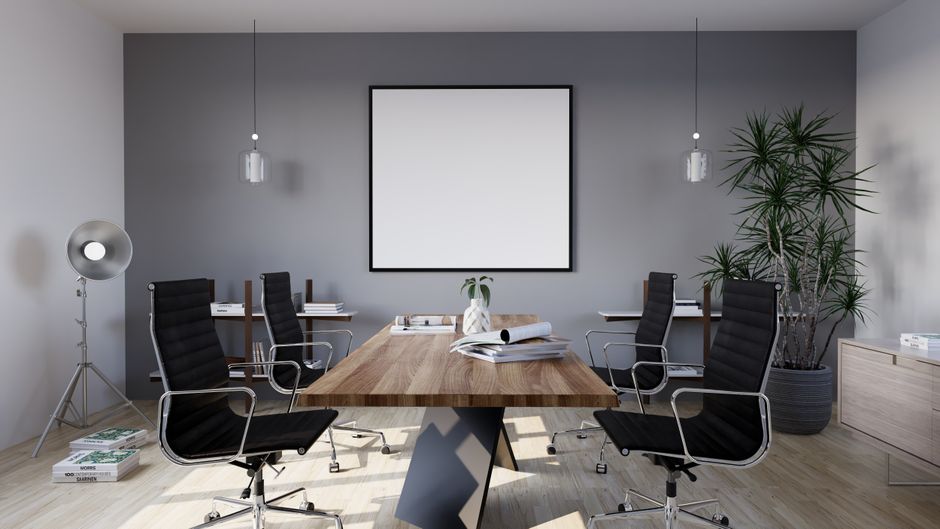
There is a particular kind of fatigue that sets in after a year of video calls, quarterly reviews conducted through a screen, and strategy conversations squeezed into thirty-minute blocks between other meetings. Executive teams increasingly recognize that certain conversations — the ones about direction, culture, and what the next year actually requires — cannot happen well inside a conference room down the hall from everyone’s daily inbox.
Mexico has become one of the most sought-after destinations for corporate retreats among companies based in the United States and Canada, and the reasons are structural, not just aesthetic. Direct flights of two to four hours from most major North American hub cities put executive teams on the ground the same morning they leave the office. Time zones align closely enough that nobody loses a working day to jet lag recovery. And the range of settings — from oceanfront resort properties in Los Cabos to boutique colonial hotels in San Miguel de Allende — gives planners genuine flexibility to match the retreat format to the goal.
This guide covers what it actually takes to plan a corporate retreat in Mexico that produces the outcome leadership is looking for: alignment, clarity, and a team that returns home functioning better than when it left.
Why Companies Are Moving Off-Sites to Mexico
Accessibility without the full-day travel tax. A retreat only works if people arrive rested enough to engage. Los Cabos, Cancún, and Mexico City all receive frequent direct service from major U.S. and Canadian gateway airports, which means most attendees can fly in the morning of day one and be in the first session by early afternoon — a meaningfully different proposition than the 10-to-14-hour routings required by many overseas alternatives.
Cost efficiency relative to comparable venues in the U.S. or Europe. Four- and five-star resort properties, private villa rentals, and dedicated meeting spaces in Mexico consistently run 30–50% below equivalent-caliber venues in California, the Caribbean, or Southern Europe — a difference that often funds the private transportation, catering upgrades, or extended stay that makes the retreat memorable rather than merely functional.
A genuine change of environment. The psychological function of an off-site is disruption — pulling a team out of its routine environment so that new patterns of thinking and interaction can emerge. Mexico offers settings different enough from a typical North American office context (oceanfront, colonial architecture, desert landscape) to create that shift, while remaining close enough, safe enough, and logistically simple enough that the trip itself never becomes the story.

Choosing the Right Destination for Your Retreat Format
Not every retreat needs the same setting. The right destination follows from the retreat’s purpose.
Los Cabos — For Leadership Off-Sites and Board Retreats
Los Cabos has built one of the most sophisticated luxury hospitality infrastructures in Mexico, with resort properties offering dedicated executive meeting spaces, high-end catering, and the kind of service standard that leadership teams expect. The Los Cabos International Airport (SJD) receives direct flights from most major U.S. West Coast and Midwest hubs, typically 2.5–3.5 hours in the air.
Best for: C-suite off-sites, board retreats, strategic planning sessions for teams of 10–40 where the priority is a distraction-free, high-end environment with genuine privacy.
Cancún & Riviera Maya — For Larger All-Hands and Incentive Retreats
The Cancún–Riviera Maya corridor hosts the highest concentration of large-scale resort properties with dedicated conference facilities in Mexico, many capable of hosting 100+ attendees with breakout rooms, AV support, and banquet space in a single property. For companies combining a working retreat with an incentive-trip reward for top performers, this region’s all-inclusive infrastructure removes most logistical friction.
Best for: Company-wide all-hands, sales kickoffs, incentive trips, and any retreat where group size exceeds 50 attendees.
San Miguel de Allende — For Small, Culture-First Executive Sessions
San Miguel de Allende offers something the coastal destinations cannot: a walkable colonial town with world-class boutique hotels, private dining venues, and an atmosphere built for slower, more reflective conversation. It suits smaller groups where the objective is depth of discussion rather than group activities.
Best for: Founder retreats, small leadership teams (under 15 people), strategic visioning sessions where the format is structured conversation rather than large-group programming.
Structuring the Retreat: What Actually Makes an Off-Site Work
The venue matters, but the agenda determines whether the trip produces results. A few principles consistently separate off-sites that generate real alignment from ones that amount to an expensive change of scenery:
Front-load the hard conversations. Energy and focus are highest on day one morning. Schedule the most consequential strategic discussions — budget decisions, org structure, difficult performance conversations — early, before travel fatigue and the pull of the destination itself start to compete for attention.
Build in unstructured time deliberately, not as an afterthought. Some of the most valuable conversations in any retreat happen over dinner or during a shared activity, not in the scheduled session. Structuring 60–90 minutes of genuinely unstructured time — a group dinner, a shared excursion — is not wasted time; it is where trust gets built.
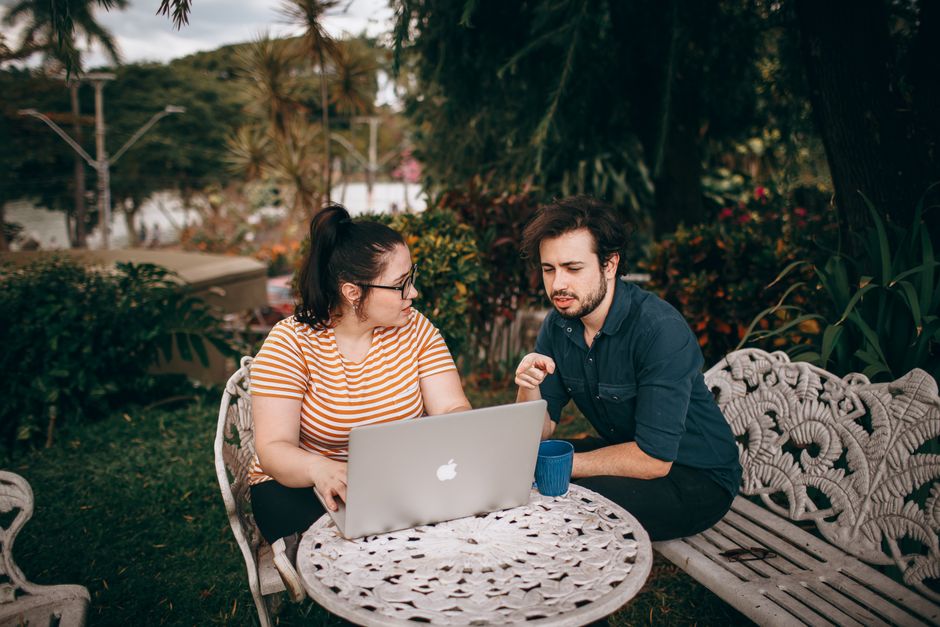
Limit screens. A retreat that turns into a series of laptop-open working sessions defeats its own purpose. The best-run off-sites establish an explicit no-laptops-except-when-presenting norm for structured sessions.
Close with concrete commitments, not just a summary. The retreat should end with specific, named owners for specific next steps — not a recap slide that reads well in the room and evaporates within a week of returning to the office.
Logistics That Make or Break the Experience
Private ground transportation is not a luxury line item — it is a scheduling requirement. Corporate retreats run on tight windows: arrival, transfer to venue, session start times, off-site dinners. A single delayed shared shuttle can cascade into a lost hour across an entire agenda. Private, pre-scheduled airport transfers and inter-venue transportation eliminate the single largest source of unpredictable delay in a multi-day retreat, and for groups of executives, the private vehicle also functions as a first informal touchpoint of the trip — the conversation in the car often sets the tone before the first session even starts.
Confirm meeting space specifications before booking, not after. AV capability, breakout room count, natural light, and outdoor adjacency all affect how a retreat actually runs. A resort’s marketing photos rarely convey whether a “meeting room” seats 12 comfortably or 12 uncomfortably.
Build a realistic buffer into the arrival day. Even with direct flights and efficient transfers, day one should assume some slippage. Scheduling substantive work to begin the afternoon of arrival, rather than the morning, protects the agenda from an early domino effect.
Plan the return transfer with the same care as the arrival. Departure-day logistics are frequently under-planned relative to arrival-day logistics, and a rushed, poorly coordinated departure can undercut the goodwill built over the preceding days.

Pre-Departure Checklist
- Define the retreat’s single primary objective before selecting a venue — it should determine destination and format, not the reverse
- Confirm direct flight availability and total door-to-door travel time for all attendees, not just the organizing team
- Book private, pre-scheduled ground transportation for airport transfers and any inter-venue movement
- Verify meeting space AV capability and breakout room count against actual agenda needs
- Build 60–90 minutes of deliberately unstructured group time into the schedule
- Confirm dietary requirements and any accessibility needs at least two weeks ahead
- Draft the closing session’s action-item format before the retreat begins, so commitments are captured in real time rather than reconstructed afterward
- Plan departure-day logistics with the same lead time as arrival-day logistics
Getting a leadership team from the airport to the first session — and back again days later — without the trip’s first and last impressions being a logistics problem is one of the more overlooked details in retreat planning. Reliable, private transportation across Los Cabos, Cancún, Riviera Maya, and beyond keeps a multi-day executive agenda running on schedule from the first pickup to the final drop-off.